
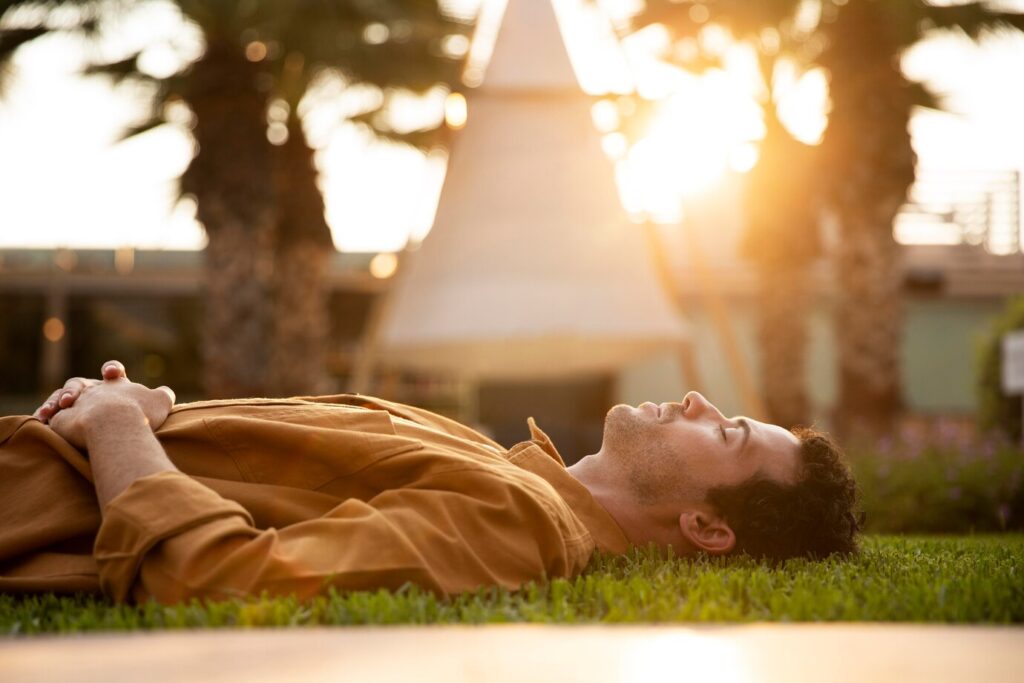
You don’t heal fully just by closing a surgical wound. You heal when your mind, body, and energy feel whole again. That’s the shift thousands of international patients are making today. They’re not stopping at hospital discharge.
They’re choosing to stay just a little longer. Not in ICU beds, but in nature. Not for more medications, but for recovery that feels human again. This isn’t luxury. It’s a growing global shift in how recovery is understood. And wellness retreats in India are leading the transformation.
The Rise of Recovery-Backed Wellness Travel
Historically, post-treatment care was clinical, focused on medication, discharge instructions, and physio. But now, patients are demanding more. They’re asking: How do I feel? How do I reset? That’s where wellness retreats come in. These aren’t spa holidays.
They are structured, expert-led programs built around physical recovery, immune strengthening, and emotional realignment. Especially in countries like India, where Ayurveda, naturopathy, and yoga are medical sciences, not trends, patients are integrating these practices into their post-treatment timeline.
Why Hospitals Can’t Offer What a Forest Can
Hospitals save lives. But they’re not designed for living. Bright lights, steel instruments, and clinical routines are built for survival, not restoration. After the physical intervention is done, the emotional body is still recovering from stress, trauma, or exhaustion.
Wellness retreats offer what hospitals can’t: silence, sensory healing, rhythm, and rest. Patients who spend even a week in a retreat post-treatment report better sleep, stronger immunity, lower anxiety, and greater mental clarity. This isn’t a placebo, it’s proven. Slower, softer environments help the nervous system switch from survival mode to healing mode.
Recovery Therapies That Work
Wellness retreats today offer structured programs rooted in medical science, yet delivered through gentle, holistic modalities. Patients recovering from orthopedic surgeries benefit from aqua therapy and yoga-assisted stretching.
Post-cancer patients turn to mindful breathing, lymphatic massages, or Ayurvedic immune boosters. Those healing from stress-related disorders choose digital detox, sound therapy, and sleep recovery programs. Every therapy is curated around one goal: to restore your body without reactivating your stress response. And the beauty? These programs don’t compete with clinical medicine, they complete it.
Who’s Choosing This And Why It’s Growing
Wellness-supported recovery is no longer for the wealthy or spiritually inclined. It’s becoming a mainstream extension of global healthcare. Patients from Europe, Southeast Asia, Africa, and the Middle East are adding 7–14 days to their medical stay not just for tourism, but for therapy.
They’re returning home not just with surgical success, but with emotional closure, new energy, and often, new habits. Wellness isn’t the afterthought anymore, it’s becoming part of the care plan.
Healing Isn’t Over When Treatment Ends
If medicine helps you survive, wellness helps you return to yourself. Recovery is not just about what’s fixed it’s about what’s felt. And in today’s world of stress, overexposure, and chronic fatigue, full recovery needs more than a follow-up report.
Wellness retreats are redefining recovery. And for patients who’ve walked through illness, that’s not an indulgence. That’s a second chance.